The Complete Guide to Food Trends 2026

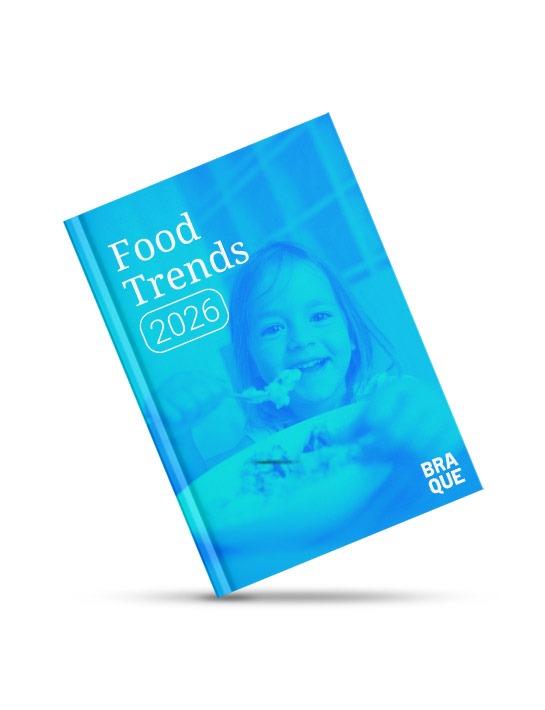
The food trends market is evolving at lightning speed. To help you anticipate the major changes in 2026, we are revealing today 2 of the 12 trends analyzed in our new white paper. Concrete, data-driven trends and, most importantly, ready to be implemented in your strategy.
Trend #1: Asian Fusion Takes Over Everyday Life in North America
The Observation
Asian flavors have moved beyond specialty restaurants to become part of everyday life for consumers. Korean gochujang, Japanese yuzu, miso, and Vietnamese pho flavors are no longer exotic curiosities—they now fill North American fridges, pantries, and grocery carts. This “global fusion” is creating surprising cultural hybrids, such as kimchi burgers, gochujang pizza, reinvented poutines, and adapted banh mi sandwiches. Asia meets North America, and this encounter is profoundly transforming the food landscape.
Key Insights
- Gochujang now occupies entire shelves at Costco, Walmart, Loblaws, and Sobeys, whereas it was almost unknown just 5 years ago.
- Loblaw and Sobeys have invested in specialty retailers, massively introducing Asian products into mainstream grocery stores.
- Gen Z is actively seeking what Asian cuisines offer: bold, spicy, umami-rich, and tangy flavors. Culinary adventure has become a form of personal expression.
- Products like Jongga kimchi, Bibigo dumplings, and Melona ice cream are among Costco favorites and generate enthusiastic online conversations.
What This Means for You
This trend opens fertile ground for Canadian food manufacturers who can create authentic local fusion products. Concrete opportunities abound, such as gochujang-maple sauces, ready-to-assemble pho kits, Korean BBQ marinades, kimchi poutines with Quebec cheese, and more. The key to success? Collaborate with chefs and entrepreneurs of Asian heritage to combine culinary authenticity with formats adapted to Canadian habits, while avoiding clumsy cultural appropriation.
Exclusive White Paper Insight
Consumers now reject “superficial fusion,” such as simply adding soy sauce, for example. They want to understand authentic techniques, the role of fermentation, and the story behind the ingredients. Winning brands are those that craft a strong brand narrative, explain the origins of their recipes, and highlight intercultural collaborations. Our analysis shows that the most successful fusion products are those that integrate iconic Canadian ingredients (maple, beef, or cheese, for example) with respected Asian techniques.
Trend #2: From Fast Food to Fast Good – Instant Meals Step Up
The Observation
Instant meals have long carried a dubious reputation, with low-quality noodles, bland packaged soups, or ready-in-minutes meals that sacrifice everything for speed. That era is coming to an end. A new wave of instant products is emerging—far more nutritious, decidedly more gourmet, and infinitely better formulated. Ready-to-dissolve stick coffees and matcha, bone broth–enhanced ramen, and canned meals that rival homemade dishes—this upgrade meets the realities of hybrid work, relying on kitchens equipped only with air fryers, microwaves, or kettles, and tapping into our desire to save time without sacrificing quality.
Key Insights
- The Canadian ready-to-eat meals market is expected to grow 6.6% per year through 2030 (Statista), driven by busier lifestyles and increased demand for high-quality convenient solutions.
- Canada is the country with the highest prevalence of hybrid work, averaging 1.9 work-from-home days per week (Stanford University), which is shifting food consumption massively from restaurants to home.
- Single-serve formats are gaining ground, with portions designed for the office or remote work, self-heating packaging, compatible with air fryers or microwaves, delivering results far superior to what we were used to in the past.
- “Express dinners” are booming: after a day balancing work and personal life, high-quality instant products offer the perfect compromise—fast like delivery, cheaper than dining out, and healthier.
What This Means for You
This trend opens a strategic space between labor-intensive homemade meals and expensive delivery. Canadian food manufacturers can create “enhanced” noodles, soups, bowls, and cup meals with more fiber, more protein, recognizable local ingredients, and sophisticated flavor profiles. Concrete opportunities include single-serve portions optimized for remote work, with preparation in 5–10 minutes, or products designed for the air fryer—the go-to appliance—and innovative packaging that communicates “modern convenience” rather than “low-value instant meals.”
Exclusive White Paper Insight
Consumers no longer want to choose between speed and quality—they demand both. The key to success is transparency: short, understandable ingredient lists, clear communication of benefits (energy, satiety, protein, and fiber, for example), and highlighting ingredient origins to stand out from conventional imported options. Our analysis shows that brands displaying transparency and simplicity can justify a 15–20% higher price without consumer resistance. Packaging must tell a story of responsible modernity, not low-cost compromise.
And this is just the beginning…
These 2 trends are just a glimpse of our full analysis. In the white paper, you will also discover:
✓ 10 more major trends analyzed
✓ Case studies of successful brands
✓ A practical guide to adapting your strategy
The future belongs to those who anticipate it. Download our white paper for free and equip yourself to make the right strategic decisions.